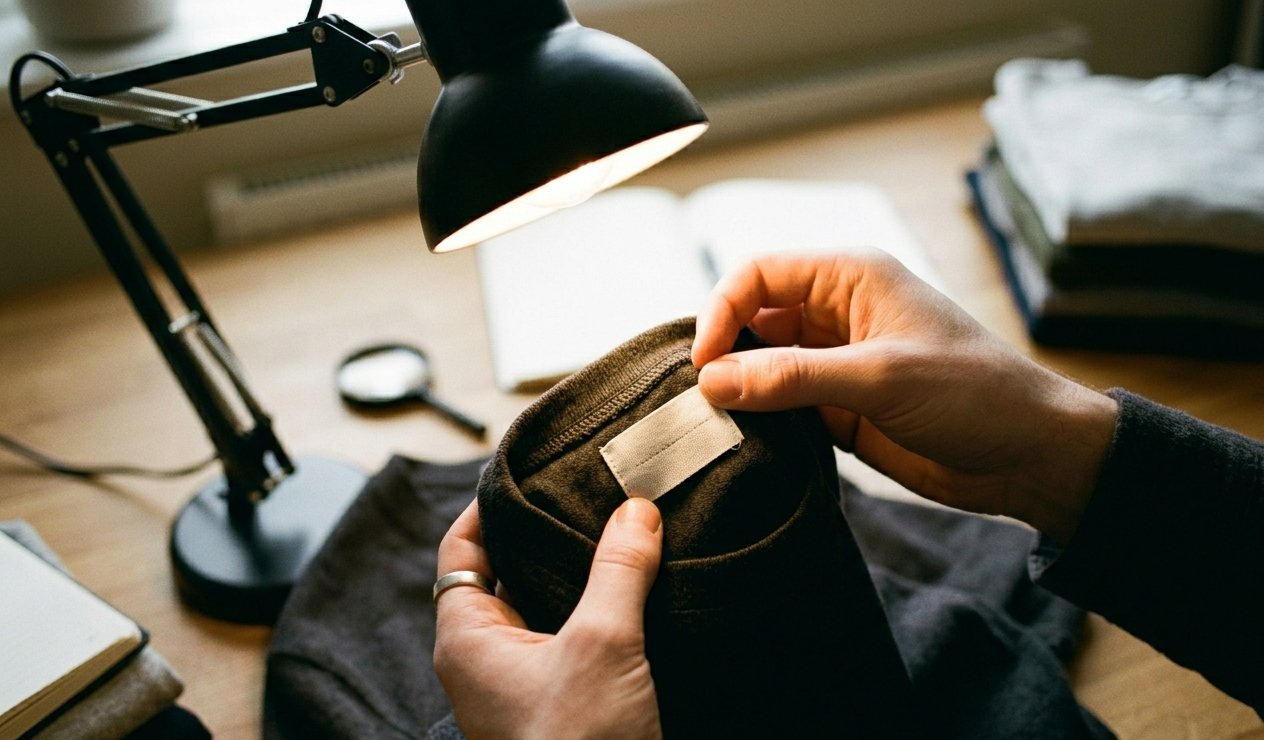
Spotting fakes: how to protect yourself when sourcing
How to protect yourself from counterfeits when sourcing: what to check, the higher risk categories, and why no single sign proves an item real or fake.
A standalone skill guide. Useful at any stage, and essential before you touch designer or hyped stock.
Counterfeits cost resellers money and can get your selling account closed, so a careful eye is one of the most valuable skills you can build. This guide is about protecting yourself as a buyer. It will not tell you any item is definitely genuine or definitely fake, because no single sign proves either. What it does is teach you what to check, so you can pause on anything that does not add up.
The mindset that keeps you safe
No single detail proves an item is real or fake. You are looking for things that do not match each other. When the story the item tells is inconsistent, that is your signal to pause, not a verdict.
Treat every check below as a reason to look harder, never as proof on its own. Genuine items have odd quirks, and good fakes get details right. It is the overall picture that matters.
What to check
- The price. A deal far below what an item should cost is the most common warning sign of all. Ask why it is so cheap before you get excited.
- The stitching. Look for neat, even, consistent stitching. Loose threads, wandering lines, and uneven work are worth a second look.
- The materials and weight. Genuine items usually feel substantial and consistent. Thin, light, or oddly textured materials are a reason to slow down.
- Labels and tags. Check that fonts, spelling, spacing, and the inner tags are clean and consistent. Mismatched or misspelled labels are a strong reason to pause.
- The hardware. Zips, buttons, and clasps on genuine items tend to feel solid and branded. Cheap, loose, or unbranded hardware is worth questioning.
- The packaging and extras. Boxes, dust bags, tags, and any paperwork should match the item and each other. Mismatches are telling.
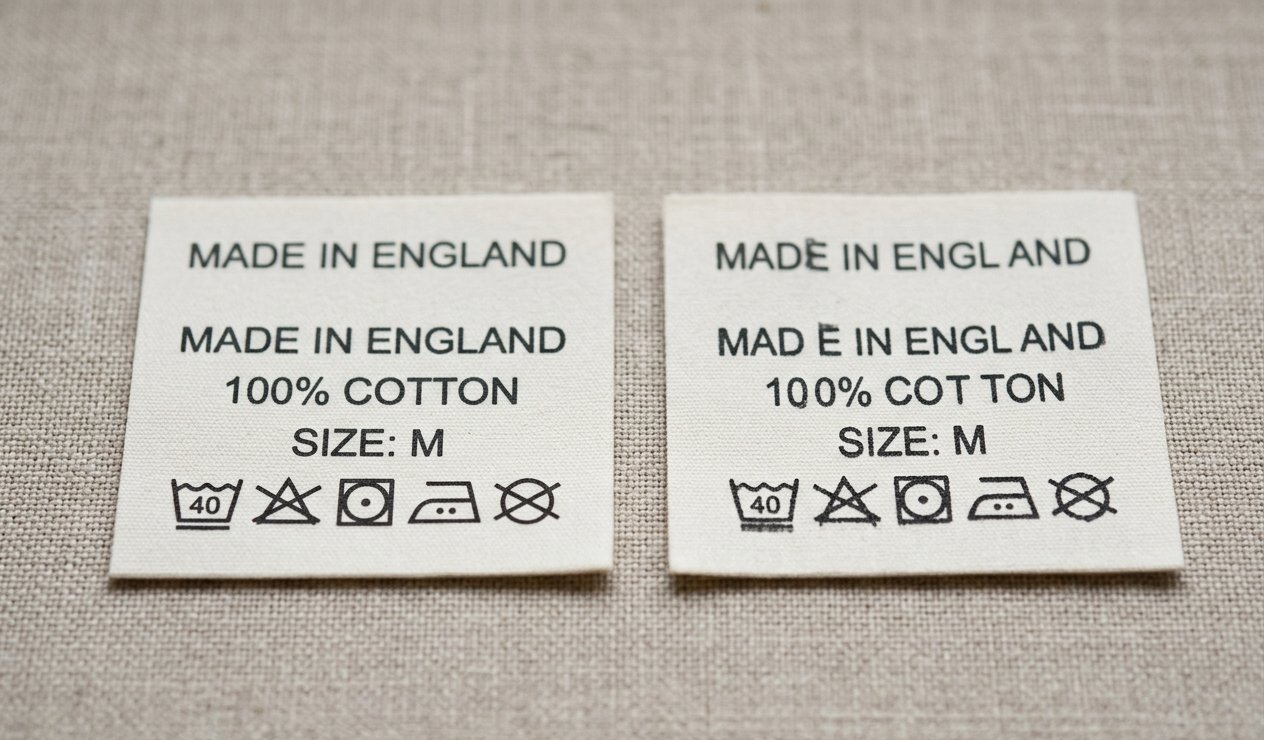 Compare against what good looks like. Inconsistent printing and spacing on a label is a classic reason to look closer.
Higher risk categories
Hyped trainers and designer pieces are faked the most, simply because the money is biggest. With these, the bar for checking should be highest, and if you cannot satisfy yourself, the safest move is to walk away. A missed bargain costs you nothing. A fake costs you the purchase and possibly your account.
Where the seller fits in
Look at the seller as well as the item. Brand new accounts, stock photos rather than real ones, reluctance to answer questions, and pressure to pay off platform are all reasons to be careful. Keep everything on the platform so you are protected.
How deteqta fits in
deteqta is a pricing tool, not an authentication service, and it is careful about that line. It can flag when something about an item looks worth a closer look, but it will never tell you an item is genuine or fake, because that is not a call any tool can responsibly make from a photo. Use it to inform your own judgement, alongside the checks above. The final decision, and the responsibility, is always yours.
If you are ever unsure, treat that uncertainty as your answer and walk away. There is always more stock.