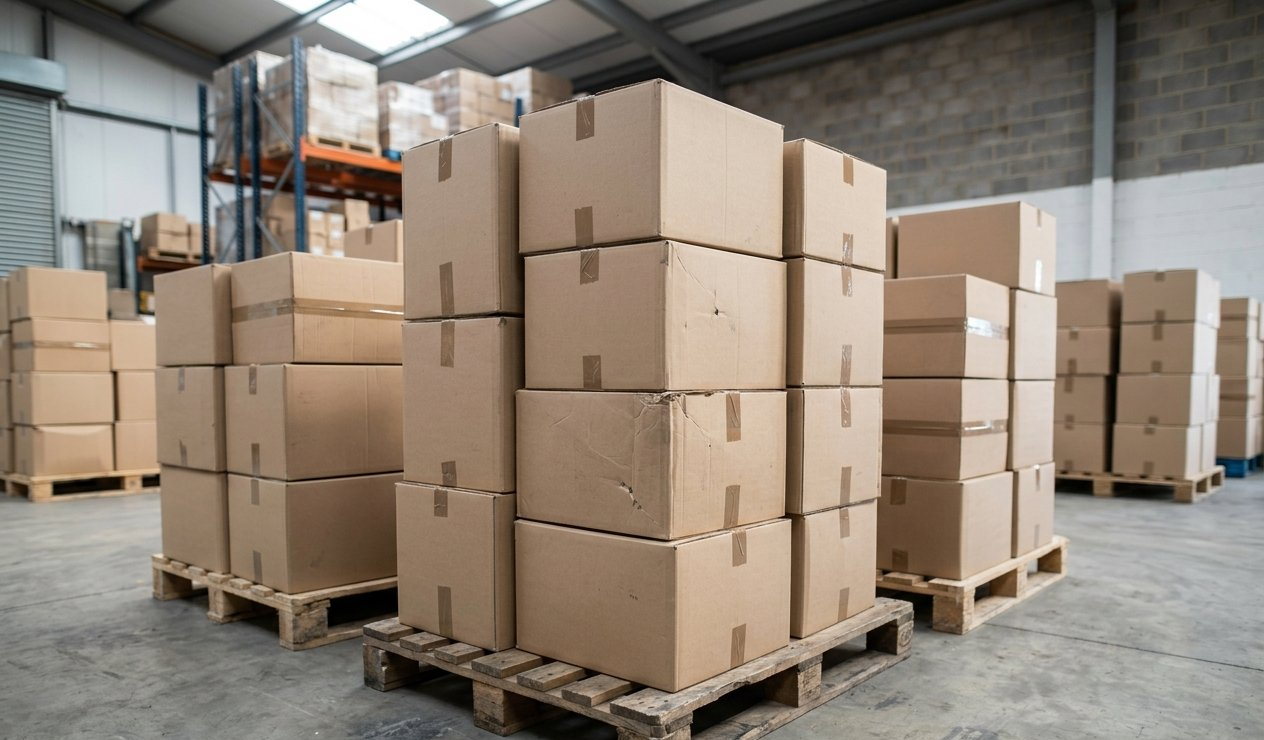
Moving into wholesale: buying at source
Moving into wholesale: what it is, where the stock comes from, the risks and minimum orders, and how to validate a lot before you commit.
Part 5 of the Getting Started series, and the most advanced. This is for sellers running a real operation who are ready for a bigger commitment.
Wholesale means buying stock in volume, often new or professionally graded, directly from suppliers rather than hunting it piece by piece. It is how a reselling side hustle becomes a business. It also carries the most risk of anything in this series, because you commit real money up front, so treat it carefully.
What wholesale actually is
Instead of one item from a charity shop, you buy a quantity from a supplier: a case of new stock, a pallet of returns or overstock, or graded clothing by the kilo from a sorting operation. The price per item drops, but you buy a lot of it at once, sight largely unseen.
Where wholesale stock comes from
- Wholesalers and distributors selling new or end of line stock in set quantities.
- Liquidation and pallet sellers offloading store returns and overstock in bulk.
- Graded clothing suppliers selling sorted secondhand stock by grade and weight.
- Brand and retailer clearance of last season or surplus lines.
The things that will catch you out
Minimum orders and money up front. Wholesale usually means a minimum spend, paid before you have sold a thing. Only commit money you can afford to have tied up in stock.
Scams and bad suppliers. This end of the market has its share of fakes and ghosts. Verify a supplier properly, ask for samples, start small, and never send a large first payment to an unproven contact. If a deal looks too good, it usually is.
Tax and structure. At this scale you are clearly trading, so you must be registered properly with HMRC, and you should keep an eye on the VAT threshold as you grow. This is general information, not tax or legal advice, so take proper advice for your situation.
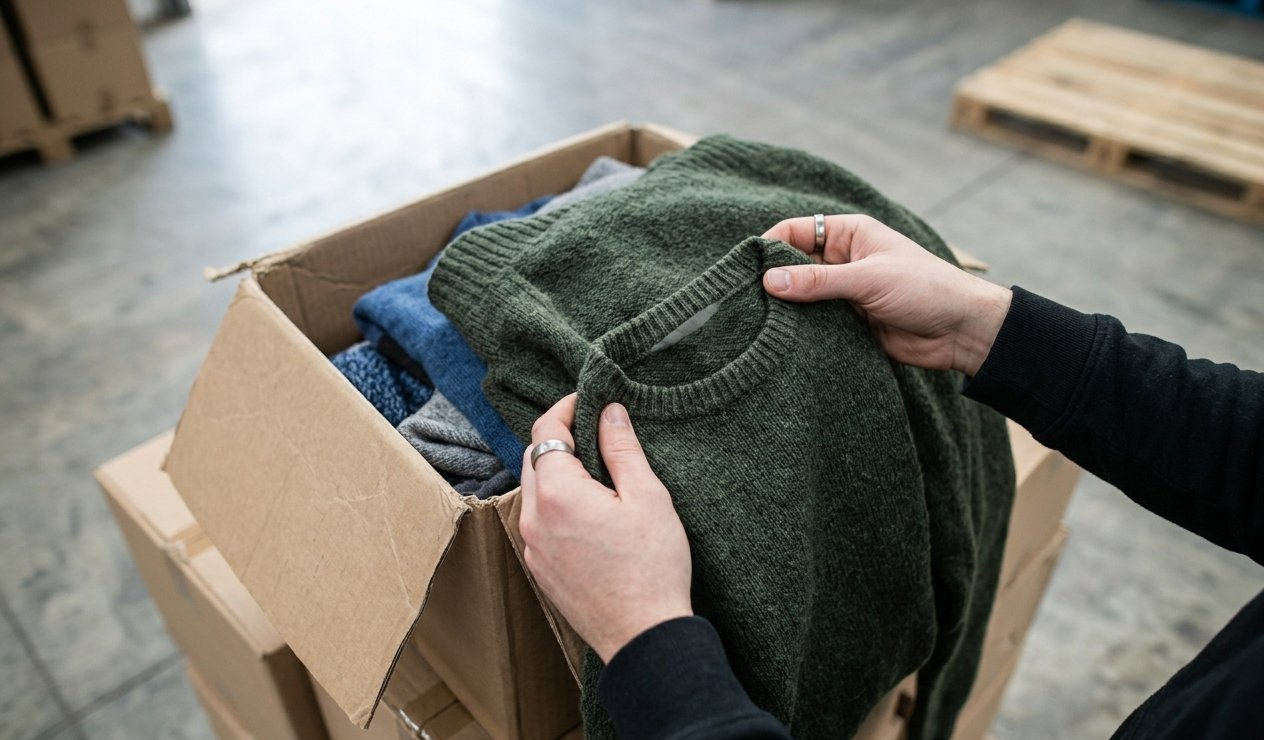 Always sample before you commit. One small order tells you more than any supplier’s promises.
When wholesale makes sense
Wholesale works when you have proven demand for a type of stock, the capital to buy it without strain, and the systems to process and sell it at volume. If you are buying wholesale to find demand, you have it backwards. Prove the demand on smaller buys first, then scale into it.
Validate before you commit capital
Before you put money into a wholesale lot, deteqt a sample of what is in it. Your Valuation shows whether there is real demand, the realistic sell prices from actual sold data, and your likely profit after fees, so you go in with numbers rather than hope. At wholesale prices, that check is the difference between a smart buy and an expensive cupboard.
You have finished the series
You now have the full path: start small, source well, pick the right items, scale into bulk, and step up to wholesale when the numbers and the systems are ready. Take it in order, prove each step before the next, and deteqt before every buy.